History
Interviews:
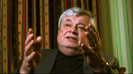
John Barranger
My first experience with Gaucher disease.
My job: purify enzyme.
The process of purifying the enzyme.
Purification process: just like salad oil.
Time from purification to clone on the enzyme.
Took 6 years to get to a clinical trial.
First patients and successes.
People involved in the process.
Purifying enzyme in the early days using human placenta.
Making enough enzyme for 10 patients.
Needed 20 metric tons of placentas per day to make enzyme for 100 patients.
Growing CHO cells in culture vats.
Cost of upscaling the process.
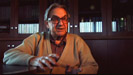
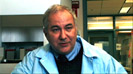
Ed Ginns
Roscoe's lab was the state of the art.
When I first came to NIH.
The quest for good animal models.
My present emphasis is on a novel gene delivery system.

Mary Nathan
Hated wheel chair. Started ceredase at NIH-- a miracle.
NIH and early ceredase infusions.

Robin Ely
I met Roscoe Brady and John Barranger and volunteered to work there.
My son's first injections.
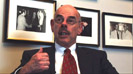
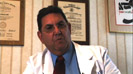
Neal Weinreb
When I first became involved with Gaucher disease.
My first experiments at NIH.
Roscoe Brady was a dynamic boss.

Roscoe Brady
Stated work at NIH with glucocerebroside.
Found glucocerebroside normal in Gaucher patients-- so we looked at the breakdown.
Early test to diagnose Gaucher patients.
Treatment premise: Can you put enzyme in patients and help them?
Working with enzyme-- first patients.
Learning to change sugar configuration, need for dose response curve, success.
Gene isolated by two teams.
Satisfaction with NIH
First real success.
First patients-- lucky we got a response.
If I hadn't been at NIH.
My first Gaucher experiment-- a galactose tolerance test.
What was the single most important realization?
Basic research-- we put enzyme in people--no animal trials.
The worst day-- before we learned about sugar targeting.

Henri Termeer
When did you first hear about Genzyme?
Raising start up money.
Genzyme's pricing structure.